
LifeStyle
70 Quotes to inspire your daily meditation and start living your best life


If you haven’t explored the importance of meditation in your life, these meditation quotes are about to change your life! Meditation is the best gift you could give to your mind and body.
Meditation dates back to centuries when it was practiced to build a stronger connection with nature, spirituality, and inner self. It is a way of learning through which you train yourself to calm down, find peace in yourself, and let go of regrets.
When you gain control of your life, your emotions, and your feelings, that is your biggest victory, and that can only be achieved through the art of meditation.
These meditation quotes will inspire you to include it in your life, and you will be forever grateful to yourself once you see your life heading towards positivity! These quotes alone are mind relaxers. Read along if you doubt me.
Table of Contents
Meditation Quotes to Give You Inner Peace
- Meditation provides a way of learning how to let go. As we sit, the self we’ve been trying to construct and make into a nice, neat package continues to unravel. –John Welwood
- Do not let the behavior of others destroy your inner peace. –Dalai Lama
- Inner peace begins the moment you choose not to allow another person or event to control your emotions. –Pema Chodron
- Invest in yourself. Meditate. Read. Eat healthy food. Drink water. Move your body. Spend time in nature. Rest up. You are worthy.
- We can never obtain peace in the outer world until we make peace with ourselves. –Buddha
- Meditation will not carry you to another world, but it will reveal the most profound and awesome dimensions of the world in which you already live. Calmly contemplating these dimensions and bringing them into the service of compassion and kindness is the right way to make rapid gains in meditation as well as in life. –Zen Master Hsing Yun
- The mind can go in a thousand directions, but on this beautiful path, I walk in peace. With each step, the wind blows. With each step, a flower blooms. –Thich Nhat Hanh
- If a person’s basic state of mind is serene and calm, then it is possible for this inner peace to overwhelm a painful physical experience. – The Dalai Lama
- When you are grateful, an invisible blanket of the peace covers you; it makes you glow; it makes you happy, strong, and warm. Gratitude puts the mind at ease and about everything around. –Om Swami
- Meditation is not a means to an end. It is both the means and the end. –Jiddu Krishnamurti
Compromising your inner peace to fit into the society should never be a choice. Do what makes you happy and satisfied internally and calms your anxiety.
To bring inner peace, develop healthy habits like reading, eating good, spending time exploring and discovering nature, sitting in the company of honest and truthful people, and trying to help others without thinking of benefits and fearing consequences.
Don’t let people affect your positive attitude and thoughts, no matter how bitter they utter. Try not to let unpleasant people, experiences and events control your emotions and disturb your inner peace or divert you from the right path.
Best Meditation Quotes to Enlighten You

- Quiet the mind and soul will speak. –Ma Jaya Sati Bhagavati
- When meditation is mastered, the mind is unwavering like the flame of a candle in a windless place. –Bhagavad Gita
- The past is already gone; the future is not yet here. There’s only one moment for you to live. –Buddha
- When you realize nothing is lacking, the whole world belongs to you. –Lao Tzu
- Everything heals. Your body heals. Your heart heals. The mind heals. Wounds heal. Your soul repairs itself. Your happiness is always going to come back.
- If they respect you, respect them. If they disrespect you, still respect them. Do not allow the actions of others to decrease your good manners, because you represent yourself, not others.
- The more tranquil a man becomes, the greater is his success, his influence, his power for good. –James Allen
- Everything you need, your courage, strength, compassion, and love; everything is already within you.
- Do not meditate; be. Do not think that you are; be. Don’t think about being; you are.
- Meditation is a vital way to purify and quiet the mind, thus rejuvenating the body. –Deepak Chopra
Meditation helps bring inner peace. It develops a powering, clam and influential personality and enhances the good in you. Meditation brings the tranquility that the soul may be previously lacking.
Meditation strengthens you mentally and brings out the patience, tolerance and calmness in you. You may become a role model because of the character and personality you display in the society that not everyone has.
It helps you become better and better with every passing day. You feel the positive change that you may be longing for.
Funny Meditation Quotes
- You’ve mastered the selfie, now ‘master thy self.’
- To earn the trust of your meditation, you have to visit it every day. It’s like having a puppy. –Chelsea Richer
- Meditation; Because some questions cannot be answered by Google.
- If every eight years old is taught meditation, we will eliminate violence from the world within one generation. –Dalai Lama
- Meditation is the ultimate mobile device; you can use it anywhere, anytime, unobtrusively. –Sharon Salzberg
- You should sit for mediation for 20 minutes a day unless you are too busy; then you should sit for an hour. –Old Zen saying
- I meditate, and I also think about meditation, which is funny. I think about Maharishi, about just the idea of meditating. It gives me something. –Brian Wilson
- Meditation is less about knowing what to do and more about knowing what not to do.
- When you can’t control what is happening around you, challenge yourself to control the way in which you respond. That is where your power lies.
Meditation does sound something very spiritual, but it can also make you smile. Meditation gives you answers which can’t be answered by Google! When meditating, you actually loosen up yourself, so you know less about what you are doing.
Since meditation encourages peace, if every adolescent was taught how to meditate instead of being given violent video games, there would be lesser wrestling championships at home!
Teach the younger ones on how to achieve inner peace rather than finding it in superficial and material things.
Short Meditation Quotes for Daily Meditation

- Meditating is a way for nourishing and blossoming the divinity within you. –Amit Ray
- The quieter you become, the more you can hear.
- Inhale the good stuff, exhale the bad stuff; it’s simple.
- Learn to be calm, and you will always be happy. –Paramahansa Yogananda
- The heart of meditation is taking ourselves a little less seriously.
- The journey is not about becoming a different person, but loving who you are right now.
- Serenity comes when you trade expectations for acceptance. –Buddha
- Calmness of mind is one of the beautiful jewels of wisdom. –James Allen
- The thing about meditation is you become more and more you.
- Every moment is a fresh beginning. –T.S. Eliot
When meditation is made a part of everyday routine it means that you have included serenity and calmness in yourself and have decided to be better. The more you meditate, the better you get to know yourself.
If you don’t want to go through something long just have a glance at the quotes, and your mind will feel much more relaxed and motivated just before you begin meditating. Pin them on a soft board or mirror or any place than you often see and read them whenever you feel distressed.
It will make you at peace and give you hope and courage to do better. Meditation helps you relax and gives you hope that every moment you have is actually a new beginning, so you are never too late to start fresh!
Positive Meditation Quotes to Beat Anxiety
- Altogether the idea of meditation is not to create states of ecstasy or absorption but to experience being. –Chogyam Trungpa
- The essence of meditation practice is the confidence to simply be. With no sense that you have to do anything or change anything. –Lama Shenpen Hookham
- Judge nothing; you will be happy, Forgive everything; you will be happier, love everything; you will be happiest.
- If you want to conquer the anxiety of life, live in the moment, live in the breath. –Amit Ray
- You don’t have to see the whole staircase. Just take the first step. –Martin Luther King
- Sometimes you need to step off the worn path, lay down with your eyes up to the blue sky, intercross your fingers behind your head, and let the grass grow up around you. –Leo Christopher
- If you want to conquer the anxiety of life, live in the moment, live in the breath. –Amit Ray
- A calm and modest life brings more happiness than the pursuit of success combined with continuous restlessness. –Albert Einstein
- Your worst enemy cannot harm you as much as your thoughts, unguarded. –Buddha
- Meditation means dissolving the invisible walls that unawareness has built – Sadhguru
Don’t let the worry of future rob your present. Thinking about the future and opinion of society will only increase your stress and anxiety levels. Overthinking takes you in a state of restlessness.
To overcome anxiety, read these mind relaxing quotes and free yourself from negative thoughts that overshadow your positivity. Engage in healthy activities like exercising, walking in parks, and hiking to keep away from unnecessary anxiety and stress. Keep away from such places and people that cause anxiety and keep thinking positively to escape this.
Meditation Quotes for Relaxing When You Feel Stress Out
- When you approach your meditation with interest, that simple time of sitting becomes enjoyable in itself. –Sally Kempton
- Stress and confusion come from being busy. Peace and clarity come from slowing down and stilling your waters. –Maxime Lagace
- Our anxiety does not come from thinking about the future, but from wanting to control it. –Khalil Gibran
- Reduce the stress levels in your life through relaxation techniques like meditation, deep breathing, and exercise. You’ll look and feel way better for it. –Suzanne Somers
- Meditation is a practice of letting go and relaxing into the present moment as it is. So gently relax, relax, relax. –Tamara Levitt
- If you were quiet enough, you will hear the flow of the universe. You will feel it’s rhythm. – Buddha
- I vow to let go of all worries and anxiety in order to be light and free. –Thich Nhat Hanh
- Today I escaped anxiety. Or, no, I discarded it because it was within me, in my own perceptions –not outside. –Marcus Aurelius
- No need to hurry. No need to sparkle. No need to be anybody but oneself. –Virginia Woolf
- Cultivate calm and stillness; let go of anxiety as a lifestyle. –Brene Brown
One of the best ways to relax yourself is meditation. You become more active and energetic! Free yourself from all kinds of negative thoughts. Breathe deeply and try to bring calm and peace within yourself.
As soon as you feel anxious, depressed or stressed, leave everything immediately and meditate. It has positive effects on your body and brain. Above mentioned meditation quotes will relax you whenever you feel stressed. Enjoy while meditation, it is not at all a stressful exercise! Moreover, it will help you overcome anger and sadness.
Meditation Sayings from Buddha
- Do not dwell in the past; do not dream of the future; concentrate the mind on the present moment.
- If you knew what I know about the power of giving, you would not let a single meal pass without sharing it in some way.
- Thousands of candles can be lighted from a single candle, and the life of the candle will not be shortened. Happiness never decreases by sharing.
- The basic root of happiness lies in our minds; outer circumstances are nothing more than adverse of favorable.
- You, yourself, as much as nobody in the entire universe deserves your love and affection.
- Buddha was asked, “What have you gained from meditation?” He replied, “Nothing!” However, Buddha said, “Let me tell you what I lost: Anger, Anxiety, Depression, Insecurity, Fear of Old Age, and Death.”
- It is easy to see the faults of others, but difficult to see one’s own faults.
- Meditation brings wisdom; lack of meditation leaves ignorance. Know well what leads you forward and what holds you back and choose the path that leads to wisdom.
- Of all footprints, that of the elephant is supreme. Similarly, of all the mindful meditations, that on death is supreme.
- You will not be punished for your anger; you will be punished by your anger.
- Look within. Be still. Free from fear and attachment, Know the sweet joy of the way.
Ever wonder why do Buddhist meditate? The followers of Buddha meditate because he used to. Buddha was always in search of peace and something which would isolate him from the worldly affairs.
When he came across meditation, he found inner peace, lost anger, insecurities, and the fear of death. He gained a level of spirituality unknown to others and what he achieved by meditation, others wanted that too. This is why people starting following his way of meditation.
It was a practice of looking within you and finding the sweetness of pure joy. You can learn more from top quotes said by Buddha about meditation here!
Conclusion
In fact, meditation is the best way to overcome anxiety, depression, and feelings of emptiness. Not only is it a healthy activity for your mind and soul but your body as well.
From relics of the past, we know our ancestors were very much into meditations; maybe that’s why they had a much blissful and peaceful life than ours. Let these quotes inspire you to meditate daily, so you get to the best part of your life!
Happy meditating!











Most people assume careful thinkers try to get every decision exactly right. The opposite is closer to the truth. Skilled decision-makers spend most of their energy figuring out how precise a given choice needs to be, and then they stop working the moment they hit that bar.
“Good enough” is a discipline, and like any discipline it takes practice.
Chasing perfection is expensive at work and exhausting at home. Getting better at everyday decisions starts with a simple sequence: know what the situation demands before you pick a tool, use a tool that matches the demand while you decide, and check your work against the standard you set.
Walk through those three stages and you’ll notice how often you were over-measuring your life.
Set the Tolerance Before You Start
The first stage of any decision is deciding how much precision it deserves. Machinists do this before they touch a part. They read the print and figure out the tolerance, because a feature called out at plus-or-minus a thousandth of an inch demands a completely different approach than one called out at plus-or-minus a tenth of an inch. Everyday decisions have tolerances too. You just have to name them.
Picking a restaurant for a Tuesday dinner has loose tolerances. Picking a surgeon has tight ones. The mistake is applying the same effort to both. Psychologists have described this contrast for decades: the maximizer who searches every option against the satisficer who searches until an option clears a threshold they set in advance.
Setting the threshold is the whole skill. Ask two questions before you start. What does a successful outcome actually look like here, and what’s the cost of overshooting it?
If the cost of overshooting is real (hours you don’t have, money you’d rather spend elsewhere, the goodwill of the people waiting on you) you already know the tolerance is loose. Write it down if you have to. A stated bar is easier to hit than an unspoken one.
Match the Tool to the Job While You Decide
Once the tolerance is set, use a method that fits it. Reach for the highest-precision approach on every question and you’ll grind to a halt. Reach for the lowest and you’ll miss on the questions that matter. Precision instruments are a useful analogy. Calipers and micrometers measure the same thing (distance) but they answer different questions, and a good machinist knows which measuring tool belongs on which feature.
The same logic applies to how you gather information. A quick scan is your caliper; a slow, deliberate review is your micrometer. Use the wrong one and you either miss the answer or spend an afternoon on a question that deserved five minutes.
- Low-stakes, reversible. Which brand of paper towels, which meeting slot on Thursday, which side dish for dinner. Pick the first workable option and move on.
- Medium-stakes, semi-reversible. A new hire for a short project, the vendor for a one-year contract, the paint color in a room you can repaint. Give it a defined block of time, evaluate three or four options against your criteria, decide.
- High-stakes, hard to reverse. A senior hire, a home purchase, a medical decision. Slow down, gather primary information, and get a second opinion from someone with real expertise. This is your micrometer work.
Notice that the categories don’t line up with how interesting a decision feels. Boring decisions can be high-stakes, and exciting ones are often trivial. Sort by consequence, not by how much you enjoy thinking about it.
Stop When You Hit the Bar
The last stage is the one perfectionists skip. Once a decision clears the tolerance you set at the start, you’re done. Keep searching and the outcome doesn’t improve; your anxiety does.
Harvard Business Review has made this point about perfectionist managers, noting that people tend to perform better and feel better when they hit “good enough” consistently than when they chase perfect and burn out.
At home this looks like buying the couch that meets your criteria instead of scrolling for two more weekends. At work it looks like shipping the report your boss asked for instead of polishing slides she didn’t. Same discipline in both places: define the bar, hit it, walk away. Do that consistently and you free up the attention you need for the small number of decisions that genuinely deserve a micrometer.
Precision thinking is about being deliberate. Spend your careful attention where it earns its keep, and let the rest of your life run on a lighter touch.

Big matches rarely begin at kick-off for the people watching them. The build-up starts earlier. Sometimes much earlier. Fans check who is fit, who has been playing well and whether the manager might change the team. There are score predictions too, of course, but most people want a little more to go on than a guess.
That also applies to fans interested in betting. Someone reading about How to bet on Betway might then check the latest team news, recent results or the expected starting eleven before placing a bet.
For people who use online betting, those details can shape how they view the match before kick-off. It can provide the betting side of things, but it cannot remove the uncertainty from the match itself. A red card, an early goal or one bad mistake can quickly make the pre-match picture look very different.
Form Is Usually the Starting Point
Five results do not tell every story
Recent form is easy to find, so it tends to be one of the first checks.
A team with four wins from five looks strong on paper. Then you look closer. Who did they beat? Were three of those matches at home? Did they actually play well?
That last point matters.
A team can win 2-0 after spending most of the match defending. Another can lose 1-0 after creating the better chances for 90 minutes. The result matters, but watching how it happened gives fans a better idea of what they are dealing with.
Individual form gets similar attention. If a forward has scored several games in a row, people notice. The same goes for a goalkeeper making mistakes or a midfielder suddenly creating more chances.
Home and away records can change the picture again. Some teams look comfortable in their own stadium and far less settled when travelling.
Then Comes the Team News
One absence can lead to three changes
Injury lists are not just a list of names.
Suppose a team’s main left-back cannot play. The replacement may be less attacking, which can change the job of the winger in front of him. The manager might also move another defender across or change the formation completely.
So one missing player can have a knock-on effect.
Fitness news becomes especially important on the day of the game. Reports earlier in the week may say that a player is doubtful, but that does not always answer whether he will start.
A recent example came before the 2026 Champions League final. Ousmane Dembélé’s condition was followed closely in the build-up before he was eventually named in Paris’ starting line-up for the final.
That is the sort of update that can change predictions quite late.
The Line-Up Makes Things Clearer
Names are only part of it
When the confirmed team appears, fans finally stop guessing about who will play.
Then another question starts: where will everyone play?
The same group of players can be used in different ways. A team may line up with three central defenders instead of two. A winger might start through the middle. A midfielder who normally attacks may be asked to sit deeper.
These details tell fans something about the manager’s plan.
International football has another layer because squad changes can happen before a tournament begins. FIFA confirmed the 2026 World Cup squads before the competition, while the tournament rules still allowed replacements in certain cases involving serious injury or illness before a country’s opening game.
That means a squad list is important, but it is not always the end of the story.
Old Meetings Are Useful, Up to a Point
Recent history matters more
Head-to-head records are popular before big games.
Maybe one side has not beaten the other in five meetings. Maybe the last three games all had plenty of goals. Those numbers can be interesting, particularly when the same coaches and many of the same players are still involved.
But old records can become misleading.
A match from six years ago may have almost nothing in common with the one being played today. Different manager. Different players. Different style.
So fans generally get more from recent meetings than from a statistic covering 15 or 20 years.
There is also the rivalry factor. Some matches carry more tension than others. Players may take more risks, tackles can arrive earlier, and a team in poor league form can suddenly look far more competitive.
Small Details Start to Matter
Weather, rest and the stadium
Not everything worth checking appears in a form table.
A team that played 120 minutes in a cup match three days earlier may not have the same energy as a rested opponent. Long travel can matter too.
Then there is the weather. Heavy rain can make the pitch slower or less predictable. Extreme heat can affect the pace, especially late in the match.
The stadium is another part of it. Playing at home in front of a loud crowd is different from playing a final at a neutral venue.
None of these things guarantees anything. That is important. They are pieces of information, not answers.
The Last Hour Changes Everything
Predictions meet the real team sheet
The final check normally comes when the official line-ups are released.
A player expected to start may be on the bench. Someone reported as injured may suddenly appear in the eleven. A manager might choose a formation that few people expected.
And just like that, a prediction made that morning can look outdated.
Fans using Betway may check the betting markets again after seeing the teams. Others will change a score prediction, message friends or simply decide that the game now looks more defensive or more open than expected.
That is really what the pre-match routine is about. It is not about knowing the result before it happens. Nobody does.
It is about having a better idea of what might happen when the whistle goes.
And then football gets the final say.
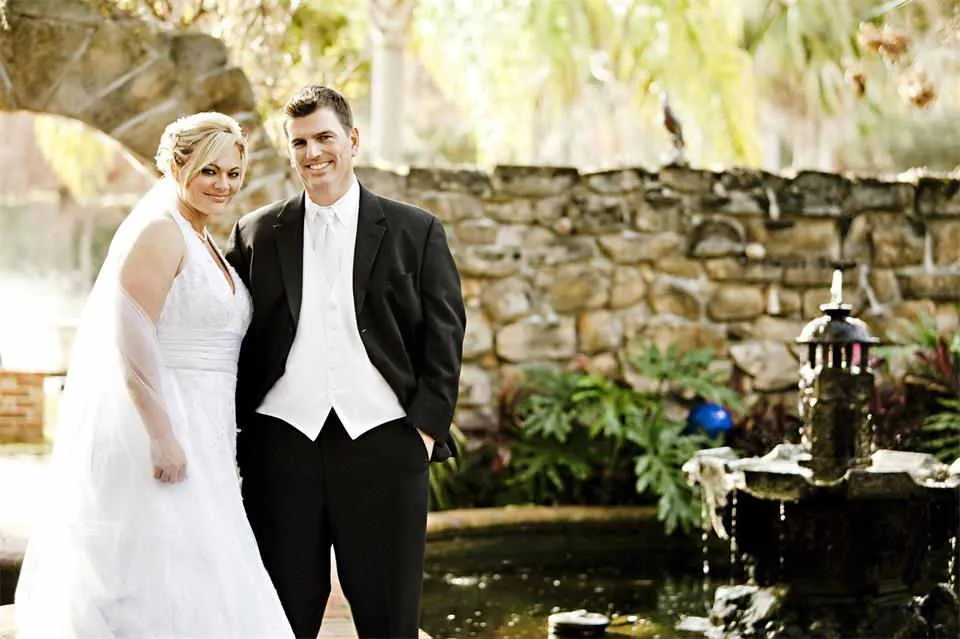
One of the biggest concerns many brides-to-be have is how they might look in their wedding photos. Everyone can have bad and good moments in front of a camera, after all – even the most well-paid models!
If you’re getting married, you want to make sure that, when the cameras point at you, you are looking your absolute best. With these seven tips, you can do just that.
1. Start with the Perfect Backdrop
The first tip isn’t about lighting, makeup, or even posing – it’s about the background of your photos. Where you get married isn’t just about the type of environment that’s best to throw a party in, but also a space that has excellent photographing opportunities. The right place can truly bring your pictures to life.
The right wedding reception venue will offer stunning backdrops for posed photos and authentic moments. Imagine a sweeping staircase, floor-to-ceiling windows with drapes, beautiful lighting, and a standout dance floor.
If everything around you is upscale and dramatic, both you and your bride/groom will be brought to life in front of the camera. It will create the kind of pictures you’ll smile at for many, many years to come.
2. Schedule a Pre-Wedding Photoshoot
You can actually schedule a photoshoot before your wedding. Many brides and grooms decide to do this so they know almost exactly how the pictures might come out. You can try a few different poses and types of lighting to get it exactly right.
There might even be an option with the venue to schedule the photoshoot there – it will likely cost more, but it can take a load off your shoulders.
3. Master Proper Posing
The biggest difference between someone who shines in a photo and someone who doesn’t often comes down to the way they are holding themselves. If you want to look amazing, you need to get the posing right. Here are some ways to pose well:
- Place your weight on your back leg/foot
- Push your chin forward
- Move your arms around
- Keep your back straight for better posture
You can play around with different poses with your photographer.
4. Get Comfortable with Your Photographer
The more comfortable you are with your photographer, the more relaxed you will feel in front of the camera. In turn, you’ll find it easier to loosen up and try some new poses you might not have otherwise.
To get to that point, it’s a good idea to meet your photographer a couple of times before the big day. Talk with them about their photographing style, and be crystal clear about the types of photos you want. This communication will lead to better photos in the end.
5. Avoid High SPF Under or In Your Makeup
While wearing SPF is usually recommended to protect your skin against UV damage, you should be aware that it doesn’t look good in photos, especially when the camera flashes. As such, avoid high SPF on your big day.
You should check all the makeup and creams that are going on your face before any of the morning routine gets started so that you know whether SPF is in there.
6. Be Heavier with Makeup Colors
Even if you’re aiming for a more natural look, be aware that colors tend not to pop as much on camera. Usually, you will need to wear more makeup to reach your desired effect. So, adding on a bit more bronzer or blusher than you would usually go for is a good idea.
At the same time, remember that you want to look like yourself. If you don’t usually wear heavy makeup, choose a makeup artist who specializes in softer, more natural looks.
7. Relax
Have you noticed that you look better in pictures when you’re not tense? Being relaxed makes a world of difference to how your photos come out. So, whether you’re being snapped for candid photos or posing, take a few deep breaths and don’t overthink it.
After all, your special day is about far more than looking perfect at every second! Plus, the pictures will likely come out looking more natural, which is what many brides want.

Why “Good Enough” Is a Skill: How Precision Thinking Improves Everyday Decisions

Substack on Windows: following writers, podcasts, and livestreams

When AI Answers the Sponsorship Question Before Fans Ever Click

From Prediction to Kick-Off: What Sports Fans Check Before a Big Match

7 Bridal Tips for Looking Your Best in Wedding Photos

How to Set Realistic Expectations Before Cosmetic Surgery

7 Questions to Ask an Agent Before You List Your Home

Helakuru on Windows: Typing Sinhala Beyond the Phone Screen

The Small Math of a Facial Change and a Bigger Self-Image

Enterprise Event Logistics: 5 Tips to Evaluate Frame Strength and Fabric Ratings for Multi-City Event Tours

What Happens After You’re Arrested For Driving While Intoxicated?

Streamline Your Business by Adopting These Practices

10 Reasons LEGO is Worth Getting into as an Adult

What to Do When Everyday Movements Become Painful

Actionable SWOT: How to Turn Your Strategic Analysis into a Functional Work Plan

Four Ways to Reduce Risk in Your Technology Supply Chain

7 Questions Every Employee Should Ask Before Signing a Settlement Agreement

So You’ve Got Multiple Offers for Your Business. Now What?

How to Recover Faster From Everyday Injuries

What Is the Construction Process Behind Modern Wind Power Plants?

 Business11 months ago
Do You Really Need Those Extra Features? Here’s How to Decide for Your Business

 Health12 months ago
Sleeping: Are You Getting Enough?

 Business12 months ago
Stand Out with Well-Designed Letters for Business and Personal Needs

 Health11 months ago
The Power of Prevention in Modern Medicine

 Entertainment9 months ago
Casino Bonuses in Latvia: Comparing Offers and Tips for Beginners

 Tech11 months ago
Your Guide to Protecting Your Digital Peace of Mind

 Fashion12 months ago
The Modern Gentleman: How To Choose the Perfect Elegant Suit for Any Occasion

 LifeStyle9 months ago
Why Support Systems Matter More Than We Admit During Hard Times